
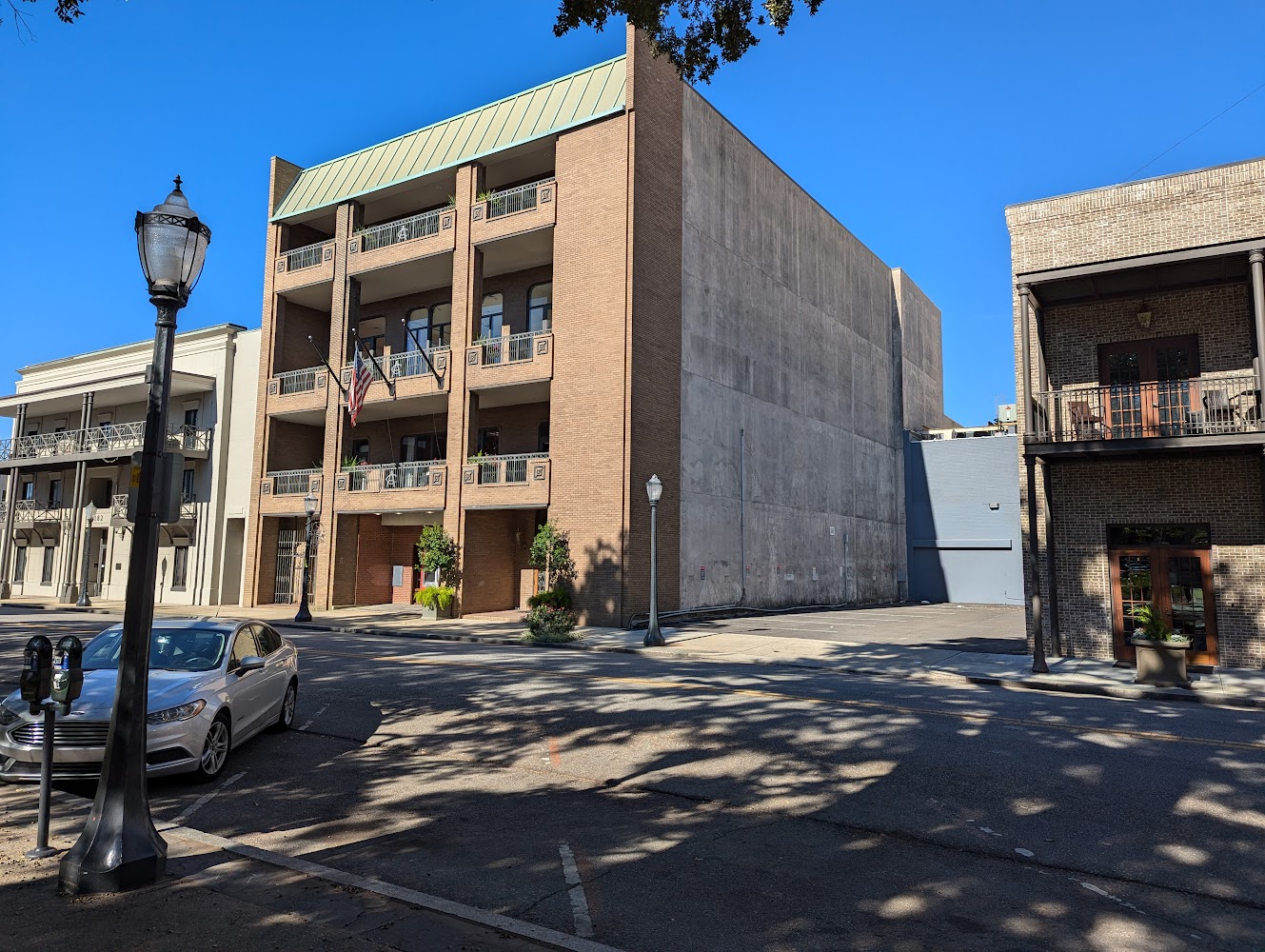
Facing the middle of Bienville Square from the north side of St. Francis Street is a building that doesn’t garner much notice unless you know what it is or the stylized AC logo motif on each of the three balconies catches your eye.

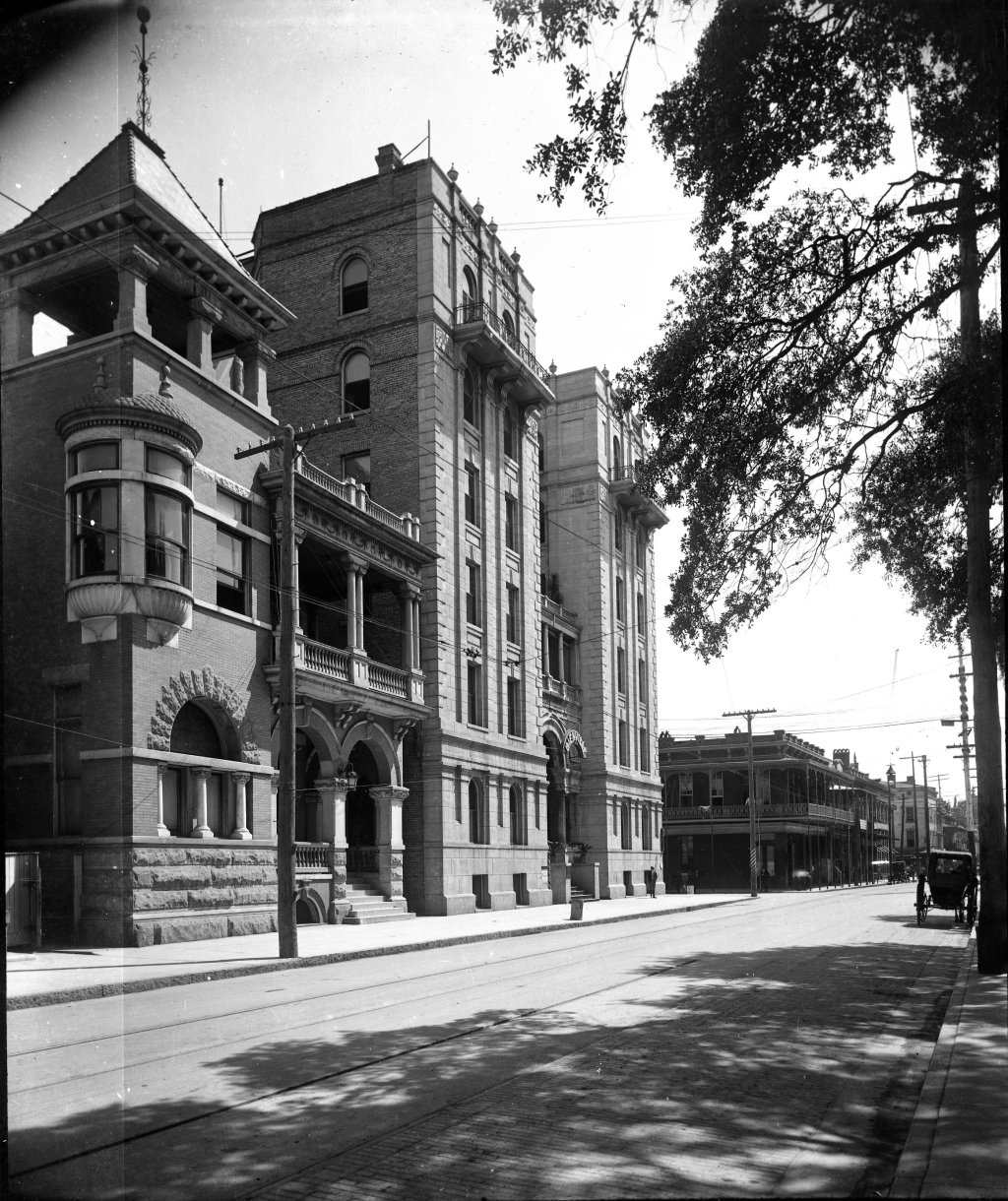
Organized on January 8, 1873, the Athelstan Club has been a gathering place for the who’s who of men in Mobile society for a century and a half. (Bellingrath, Van Antwerp, Rogers, and Boykin are just a few of the names from the roster during the Progressive Era.) First located on the northeast corner of Dauphin and St. Joseph Streets, the exclusive men’s club moved to St. Francis Street in 1902, though a couple lots east of its current location.
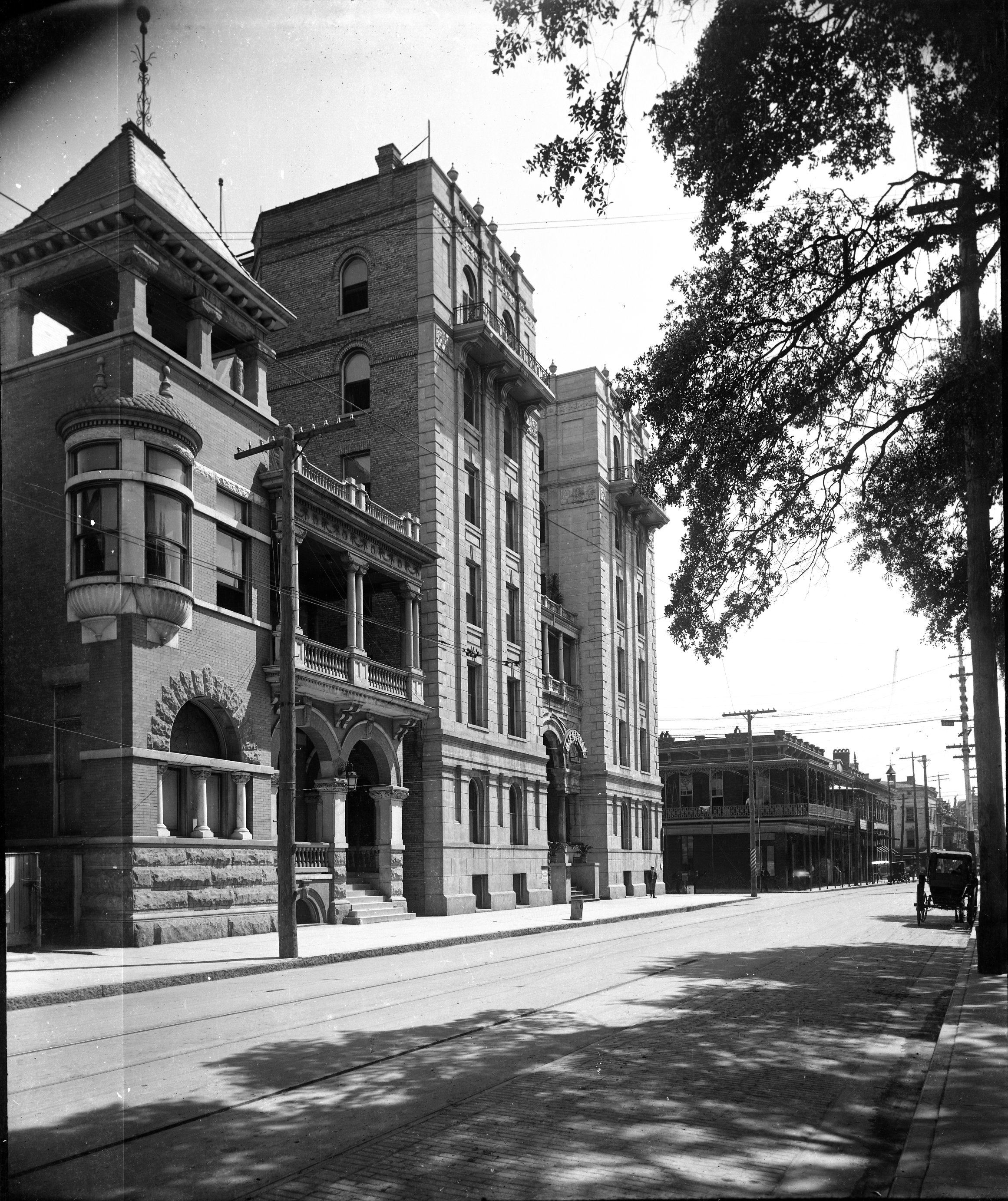
Just after the turn-of-the-century, the newly built granite building impressed from the first step with a marble porch followed by oak woodwork within. The Athelstan Club was outfitted with chandeliers, leather armchairs, a card room, dining room, stocked writing desks, and the best task lighting available.
For my books and short stories, I use the name Aethelwulf Club to stand in for the Athelstan Club but I utilize its real St. Francis Street location and namedrop a couple real AC members from the era that are also sprinkled in the background of the stories. Several of the characters in The Possession Chronicles, The Malevolent Trilogy, and Washington Square Secrets are members, most notably Sean Spunner. (Yes, you’ll see his name often in this blog series as he spans all three collected works plus short stories.) The heaviest use of the men’s club—including scenes set inside it—happens in Severed Legacies, book three of The Malevolent Trilogy. Readers familiar with Mobile’s colorful past will hopefully recognize the real names amid the fictitious one.
Even though it was added onto several times, the membership outgrew their private refuge and the Progressive Era clubhouse was condemned in 1967 due to fire hazards. The current building was completed in 1971 and has continued to be used as a gathering place for society, especially during Mardi Gras. Events for the Mardi Gras Queen are hosted in special rooms (women are only allowed in certain places within the building) and the Athelstan Club hosts the annual Dominoes Ball the Thursday before Mardi Gras each year.
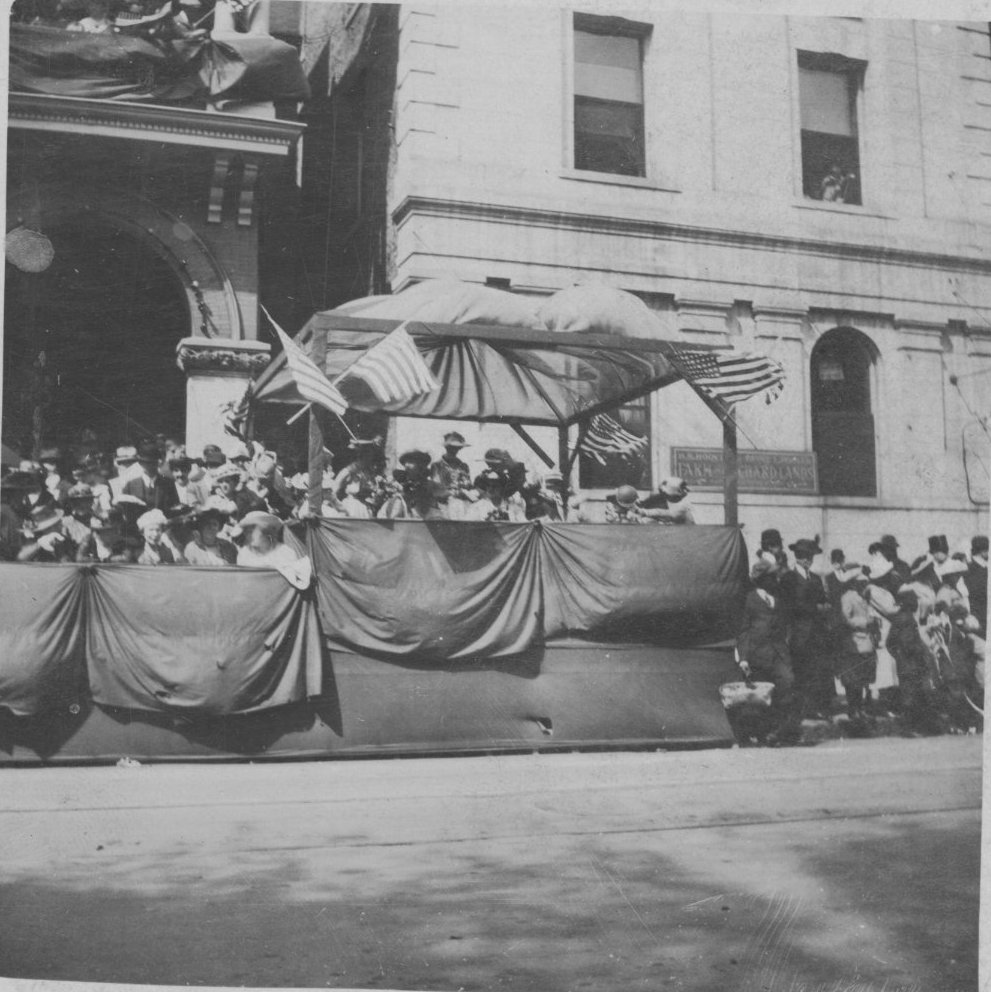
Dating back to the first handful of decades and lasting to this day, Athelstan Club members and their immediate family are allowed to sit in the “Reviewing Stand,” as a vintage ticket states, on Mardi Gras day to observe the parades. Check out this photograph from the 1916 Mardi Gras from the HMPS collection. Behind the stand is the edge of the club to the left and the Bienville Hotel to the right.
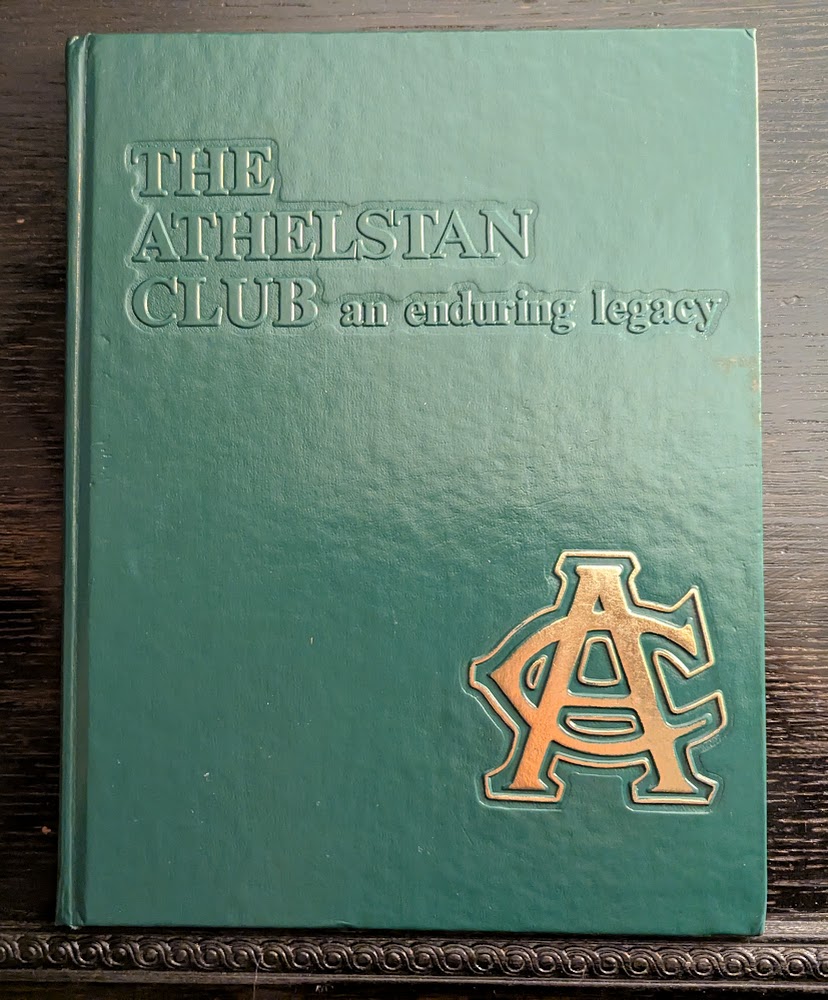
The majority of my information about the Athelstan Club was gleaned from The Athelstan Club: An Enduring Legacy book. The pictured copy is from my personal collection, but there is one available for perusal at Historic Mobile Preservation Society’s archives.
There will be more about Bienville Square in the coming weeks. Watch for the fourth part of “Fragments Observed: Life During Mobile’s Progressive Era” next month. This blog series is made possible through a partnership with Historic Mobile Preservation Society (HMPS.) HMPS’s archive collection, housed on the Oakleigh Complex in the Minnie Mitchell Archives building, is a treasure of inspiration and knowledge. Please support HMPS’s efforts in preserving not only the rich architectural legacy of our city, but the documents, literature, photographs, and more that tell Mobile’s colorful history. The historic photos in this post are used with the permission of Historic Mobile Preservation Society for the purpose of education and enlightenment in the “Fragments Observed: Life During Mobile’s Progressive Era” blog series.
For more information about HMPS and their mission, please visit:
https://www.historicmobile.org/
And for their online archives, including requests to use photographs from their collection:
https://historicmobile.catalogaccess.com/home
 carriedalby.com
Leave a comment